Our kidneys are very important organs in our bodies that deserve attention, because our modern lifestyle greatly affects our kidney’s health, ranging from the foods we eat to what we drink. Yet it is often overlooked.
Your kidneys work like two powerful filters, keeping you healthy by removing toxins and maintaining fluid balance. But imagine a situation where they stop filtering properly. Waste begins to build up in your bloodstream, and the damage can become life-threatening.
What’s shocking is that kidney damage happens slowly and silently, often without any early symptoms. That’s why regular checkups and healthy habits matter.
This post will outline everyday habits that affect our kidneys and give practical tips to maintain a healthy kidney.
What your kidneys do and why their protection matters
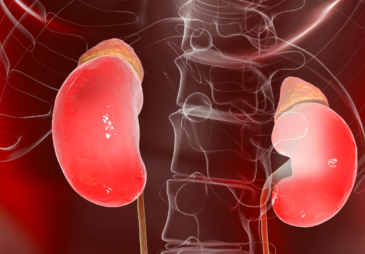
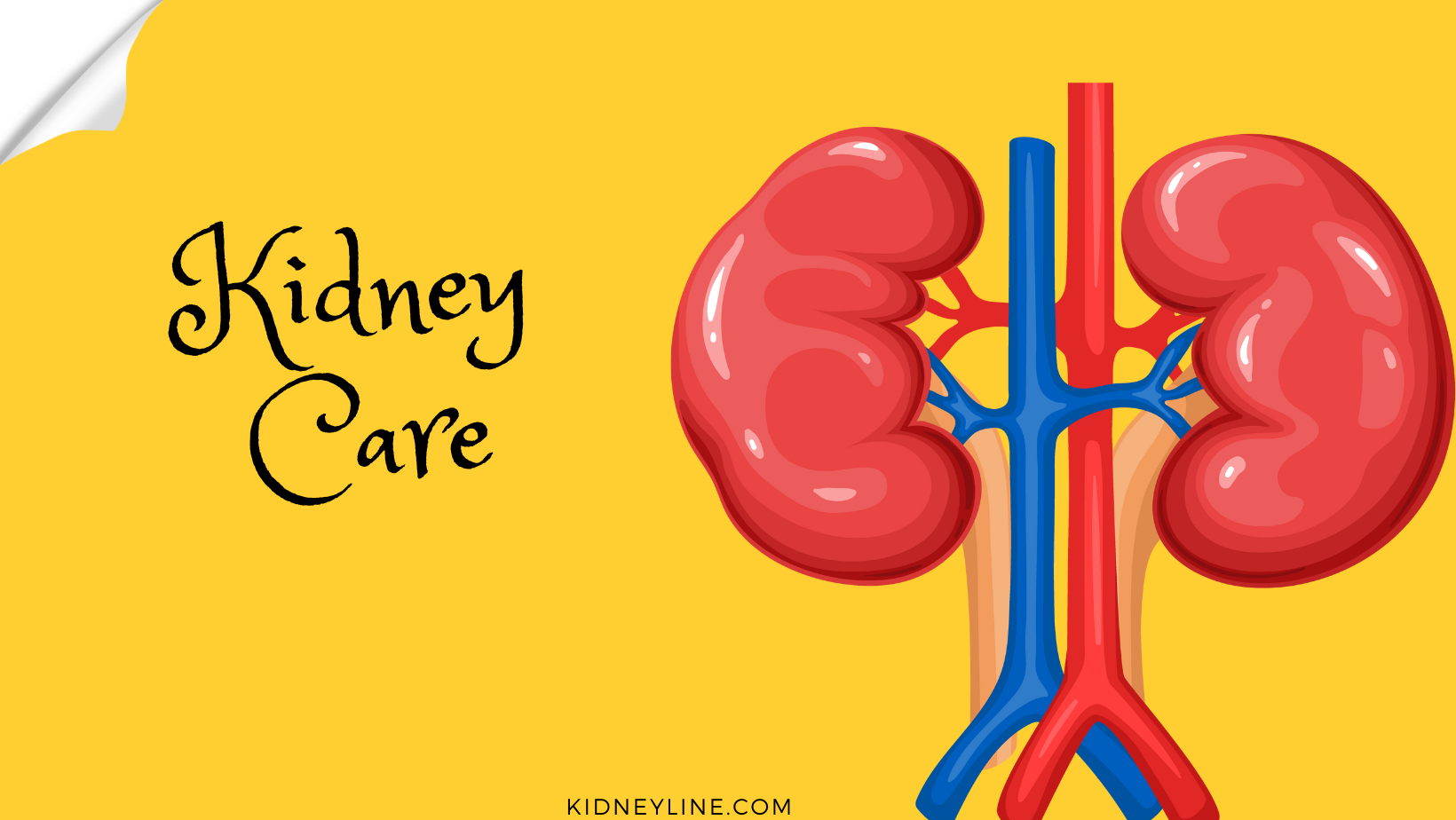
Your kidneys are bean-shaped organs located just below your rib cage, one on each side of your spine. Their main job is to filter waste, toxins, and excess fluid from your blood. But they do much more than that. Your kidneys help control blood pressure, support the production of red blood cells, keep your bones healthy, balance your body chemicals, and release important hormones.
So when kidney damage begins, all these vital functions become compromised. That’s why protecting your kidney health is crucial. The food you eat, the habits you practice, and the lifestyle you live all play a major role, and some of them silently harm your kidneys without you realizing it.
10 common things that slowly harm your kidneys
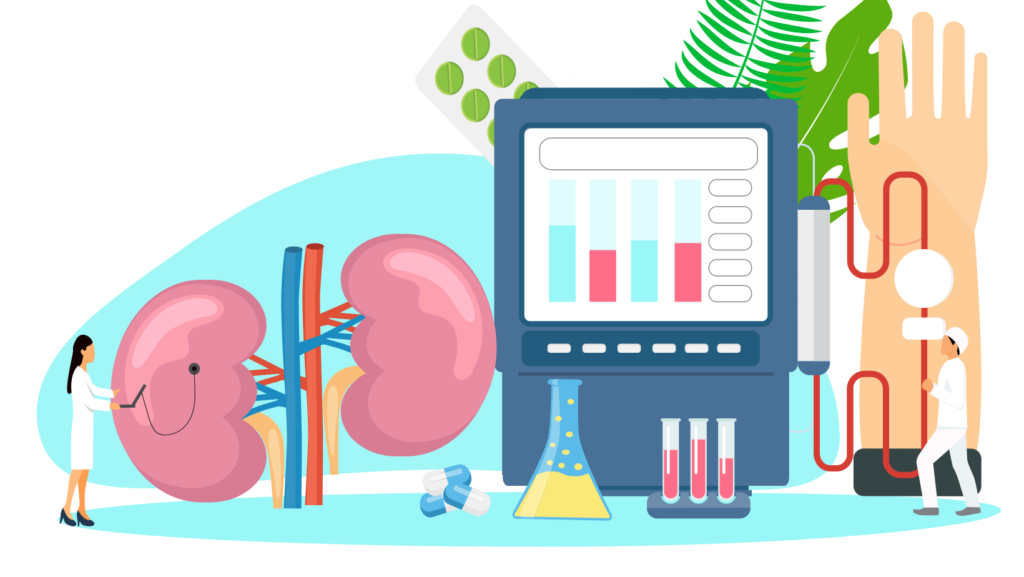
1. Not Drinking Enough Water.
When you don’t drink enough water, your kidneys are forced to work harder to filter waste products. Over time, this leads to concentrated urine, toxin build-up, kidney stones, and even urinary tract infections (UTIs).
Tip: Drink adequate water daily, especially during hot weather, exercise, or illness. A simple way to check your hydration status is by looking at your urine. Dark yellow urine often means dehydration
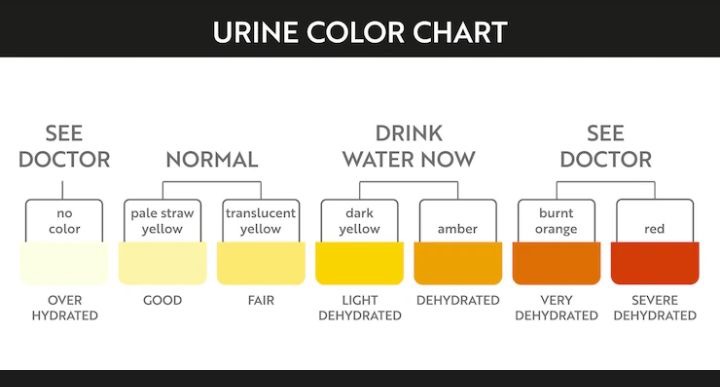
A Hydration chart showing the Light vs dark urine color scale.
Image credit: Freepik
2. Eating Too Much Salt.
Nwanneka Ezea, a registered nutritionist and dietitian, explains that : “Salt has become part of our daily cooking culture. For many people, adding extra salt or seasoning cubes feels normal. But consistently eating salty food makes the kidneys work harder to maintain fluid balance. The real problem isn’t one salty meal, it’s the everyday habit of oversalting without thinking.
Tip: “You don’t need to remove salt completely,” Nwanneka adds. “You just need smarter ways to build flavor.” Taste your food before adding salt, reduce seasoning cubes, and use natural spices like ginger, garlic, turmeric, thyme, curry, and other herbs to enhance flavor without stressing your kidneys.”
3. Overusing Painkillers (NSAIDs)
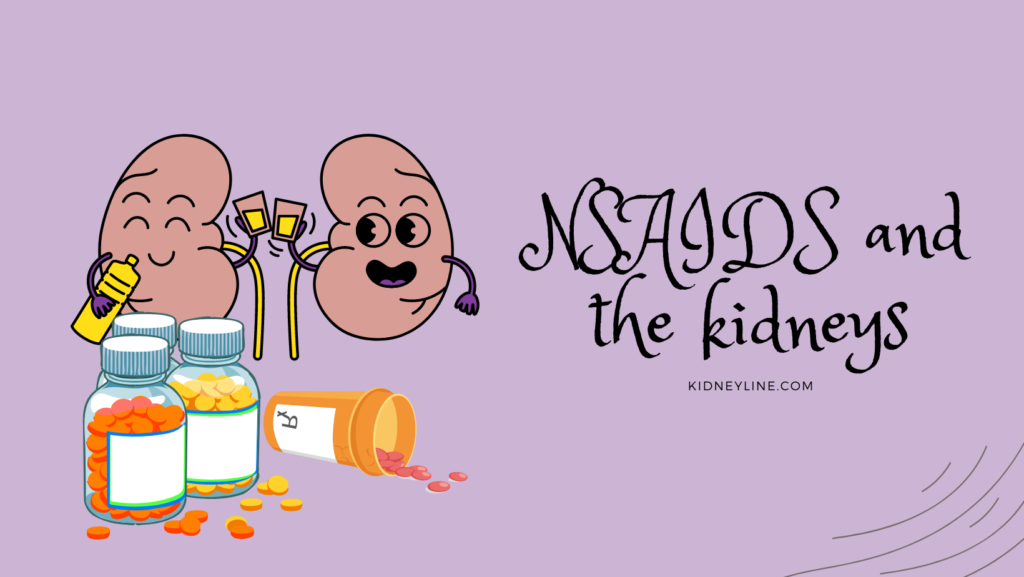
Many people regularly use NSAIDS like diclofenac and ibuprofen without medical advice. Over time, frequent use can reduce blood flow to the kidneys and gradually lead to kidney damage especially in adults over 65.
Tip: Always follow your doctor’s prescription and use painkillers at the lowest effective dose for the shortest time possible.
4. High Sugar Intake.
With the rise in processed foods, sugary snacks and drinks have become hard to avoid.
Nwanneka also noted that: “Chips, biscuits, crackers, flavored nuts, and cookies are easy to grab when bored or busy. But most processed snacks contain preservatives, excess sugar, and sodium. When snacking becomes a daily habit, the kidneys end up filtering more substances than they were designed to handle.”
Studies have shown that consuming sugar-sweetened beverages is also linked to the global rise in chronic kidney disease, especially in sub-Saharan Africa.
Tip: Focus on balanced meals with fruits and vegetables, and limit sugary drinks, sodas, and frequent snacking.

5. Sitting for Long Hours (Sedentary Lifestyle)
A research was carried out among over 9,534 adults and it was discovered that people who sat for more than 12 hours daily had a higher risk of kidney disease compared to those who sat for less than six hours regardless of physical activity levels.
Tip: Stand, stretch, or walk every 30–60 minutes. Regular movement supports overall kidney health.
6. Not Getting Enough Sleep.
Sleep plays a vital role in kidney function. Research shows that excessive caffeine intake and increased screen time before bed disrupt sleep patterns, which can negatively affect kidney health.
Tip: Avoid caffeine late in the day, reduce screen time at least 30 minutes before bed, and maintain a consistent sleep schedule. The National Sleep Foundation recommends 7–9 hours of sleep daily.
7. Smoking and Alcohol Overuse.
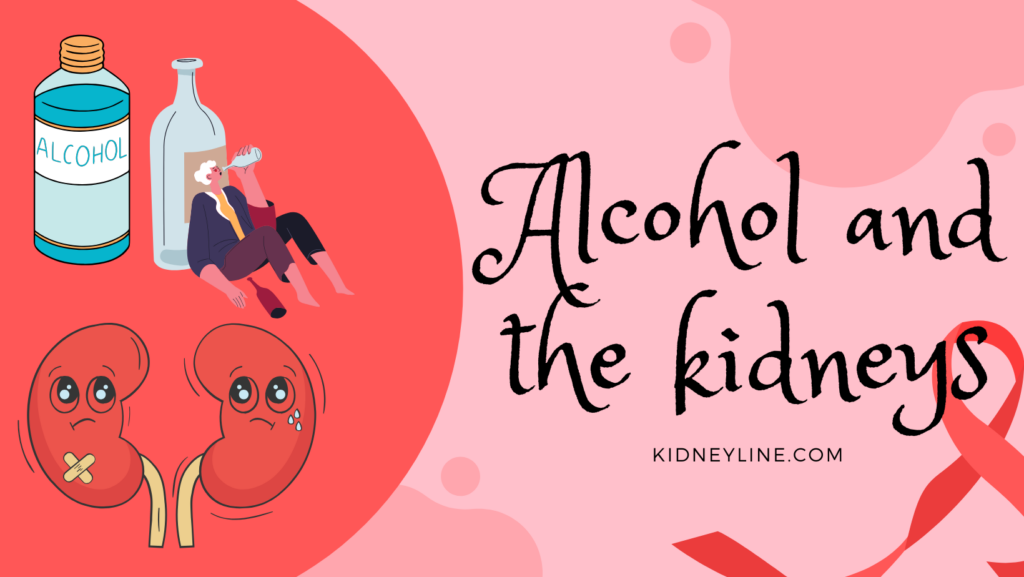
Smoking reduces blood flow to the kidneys by narrowing blood vessels, making it harder for them to filter waste. Excessive alcohol intake has also been linked to faster progression of kidney diseases like chronic kidney disease and acute kidney injury.
Tip: Quit smoking, and if you drink alcohol, do so in moderation.
8. Ignoring Urinary Tract Infections and Their Symptoms.
When infections like urinary tract infections (UTIs) are ignored, they can spread up to the kidneys and cause serious complications.
Tip: See a doctor immediately if you notice symptoms such as burning during urination, frequent urination, or lower abdominal pain, and always complete prescribed treatments.
9. Eating Too Much Protein.
Protein is essential for healing, immunity, and muscle building. However, excessive protein intake especially in people at risk of kidney disease, can strain the kidneys and worsen kidney damage.
Tip: You don’t need to eliminate protein. Moderation is key, especially if you have kidney disease or are at risk.
10. Not Getting Regular Kidney Checkups.
Many people skip routine medical checkups, particularly those with diabetes, high blood pressure, or a family history of kidney disease. This can allow kidney damage to progress silently.
Tip: Schedule regular checkups and monitor creatinine levels, GFR, blood pressure, and other tests recommended by your doctor.
Conclusion.
The key takeaway from this article is that kidney disease can affect anyone, and it often develops slowly and silently over time. Many people don’t realize there’s a problem until significant damage has already occurred. That’s why adopting healthy daily habits is so important in protecting your kidneys.
Simple actions like drinking enough water, going for routine checkups, reducing salt intake, quitting smoking, and limiting alcohol can make a big difference. When you consistently practice these habits, you significantly reduce your risk of kidney damage and move farther away from kidney failure.
Your kidneys work hard for you every day. Taking care of them is one of the best health decisions you can make.
Frequently Asked Questions (FAQs)
- What are the 4 warning signs of kidney damage?
The 4 warning signs you should look out for include:
- Swollen feet and ankles.
- Urinating More frequently especially at night.
- Foamy urine.
- Blood in urine.
2) Can a damaged kidney be repaired?
Severe kidney damage like a chronic kidney disease cannot be cured, but it can be managed.
The progression can be slowed down by adopting healthy lifestyle habits, dietary adjustments, treating the underlying cause, and the use of prescribed medications.