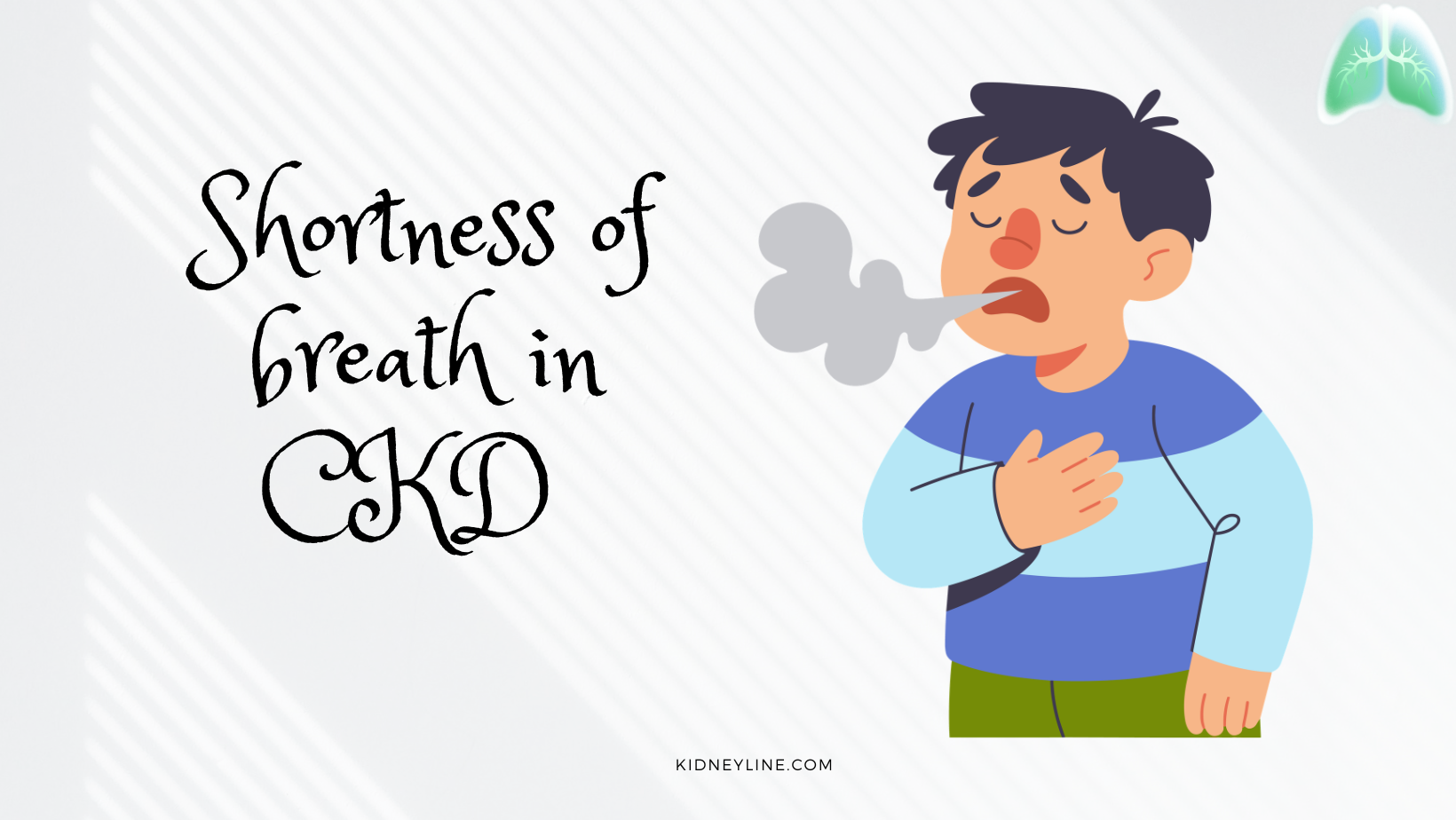
If you or a loved one is living with chronic kidney disease (CKD), you may already know that its effects reach far beyond the kidneys themselves. One of the most distressing symptom is shortness of breath, also known as dyspnea. Struggling to catch your breath can be frightening. Understanding why it happens, how to prevent it, and what treatments are available is an important step toward managing your health more effectively.
Why Does CKD Cause Shortness of Breath?
The kidneys play a central role in maintaining the body’s delicate internal balance particularly fluid balance. When the kidneys begin to fail, a number of complications develops which may directly or indirectly affect breathing. They include:
Fluid overload: Healthy kidneys regulate how much fluid stays in the body. When kidney function declines, the kidney have difficulty removing fluids and urine production may drop. As a result, excess fluid can accumulate which shows up as leg swelling, abdominal swelling and facial puffinees. When fluids accumulate in the lungs, it becomes difficult to breathe and this is one of the most common causes of shortness of breath in CKD patients.
Anemia: The kidneys produce erythropoietin, a hormone that signals the body to make red blood cells. In CKD, this process is disrupted, leading to anemia, a low red blood cell count. With fewer red blood cells to carry oxygen around the body, even mild exertion can leave you feeling breathless.
Metabolic acidosis: CKD impairs the kidneys’ ability to remove acids from the blood. As acid levels build up, the body compensates by breathing faster and deeper. This causes a sensation of breathlessness even at rest.
Heart and lung complications: CKD significantly increases the risk of cardiovascular disease, including heart failure and pericarditis (inflammation around the heart). These conditions reduce the heart’s ability to pump efficiently, leading to fluid backup in the lungs and breathlessness. Additionally, people with advanced CKD may develop pleuritis, an inflammation of the lining around the lungs.
Besides these causes linked to CKD other causes of shortness of breath in people without CKD may also be the reason. Causes of shortness of breath in general include chest infections, lung diseases, heart diseases e.t.c
Another thing to consider is the underlying cause of CKD itself. For instance, patients with lupus may have difficulty in breathing related to lupus rather than the kidney disease.

How to Prevent Shortness of Breath with CKD
While some degree of breathlessness may be unavoidable as CKD progresses, there are meaningful steps patients can take to reduce its frequency and severity.
Manage fluid intake carefully: Your doctor may recommend limiting how much fluid you drink each day to prevent fluid from building up in the lungs. This includes not just water, but soups, fruits, and other fluid-containing foods.
Follow a kidney-friendly diet: Reducing sodium intake helps prevent fluid retention. A renal dietitian can help you build a personalised eating plan that supports your kidney function and overall health. Healthy eating in general is best for kidney health
Control blood pressure and blood sugar: High blood pressure and diabetes are two of the leading causes of CKD and its complications. Keeping these conditions well managed helps slow kidney disease progression and reduces associated breathlessness.
Attend regular check-ups: Routine monitoring of kidney function, blood count, and electrolyte levels allows your healthcare team to catch and address problems early before they develop into more serious complications.
Treatment Options For Breathlessness
Treatment depends on the underlying cause of breathlessness, and a tailored approach is essential. Common interventions include the following.
Diuretics: Also known as water tablets, diuretics help the kidneys remove excess fluid from the body, relieving pulmonary congestion and easing breathing.
Erythropoiesis-stimulating agents (ESAs): For breathlessness caused by anaemia, ESAs are medications that stimulate the production of red blood cells. Iron supplementation is often used alongside ESAs for better results.
Bicarbonate therapy: When metabolic acidosis is contributing to breathlessness, oral sodium bicarbonate supplements may be prescribed to help neutralise excess acid in the blood.
Dialysis: In advanced CKD or kidney failure, dialysis can remove excess fluid and waste products that the kidneys can no longer eliminate, providing significant relief from breathlessness and other symptoms.
When to Seek Urgent Help
Shortness of breath that comes on suddenly, is severe, or is accompanied by chest pain, rapid heart rate, or swelling in the legs warrants immediate medical attention. These may be signs of a serious complication requiring urgent care.
Living with CKD is challenging and difficulty with breathing is one of the more challenging symptoms. Working closely with your nephrology team, staying consistent with your treatment plan, and making informed lifestyle choices can all make a real difference. If you notice changes in your breathing always discuss it with your doctor so they can help find a meaningful solution for you.