Blood tests in CKD are essential. They are used to detect CKD, check for complications and monitor the progression of the disease.
an online kidney care resource
an online kidney care resource

Blood tests in CKD are essential. They are used to detect CKD, check for complications and monitor the progression of the disease.

Getting a diagnosis of CKD is distressful for many people. They find it challenging to cope with chronic kidney disease. Here are some strategies that can help
Many people with chronic kidney disease get overwhelmed when they receive a diagnosis. Here are some first steps after a diagnosis of chronic kidney disease

Precisely how sleep disorders affect the kidneys is unknown, but several mechanisms are proposed about the role of sleep in kidney health.

A recent study suggests strength training performed with moderate to vigorous load intensity 2 or 3 times a week may lower blood pressure.
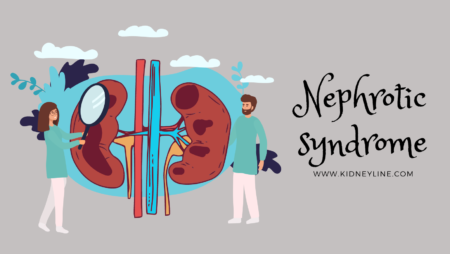
Nephrotic syndrome causes damage to the small blood vessels in the kidneys. This damage leads to the loss of large amounts of protein in the urine.

Chronic kidney disease is lifelong and progressive. Here are 5 questions about CKD to help you better understand your diagnosis and take charge of your health

Chronic kidney disease (CKD) is a health condition affecting millions worldwide. It is a long-term condition in which the kidneys lose function over time.

Water is a significant component of our bodies, kidney disease makes it difficult to regulate its levels. Too much or too little water has health implications.

Anemia in kidney disease is common. There are several causes including erythropoietin and iron deficiency. It is important to treat the underlying cause.