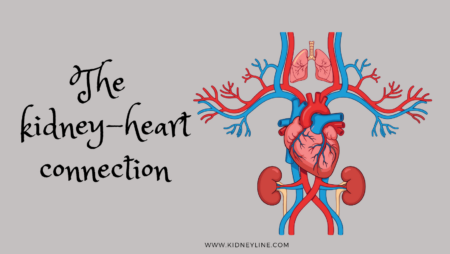
The heart and the kidney are important organs in your body that work hand in hand to keep you healthy. If you have kidney disease, your doctor will likely keep a close look on your heart to make sure it is working well. They will also advise you on healthy practices to keep it as healthy as possible. If you have heart disease, you’re also at risk of having kidney disease. To learn more about the kidney-heart connection keep reading.
How do the kidneys and heart work together.
The heart is about the size of your fist and it is located in the left of the chest for most people. A few people have it to the right of their chest. The heart pumps blood that carries oxygen and nutrients to all the organs of the body including the kidneys. When the heart is unable to pump well, the kidneys will have challenges getting the nutrients and oxygen it needs to work well.
The kidneys are bean shaped organs found on your flanks. They remove waste and excess water from the body. They also produce hormones including the hormone responsible for producing red blood cells. The red blood cells help carry oxygen in the blood. When the kidneys are not working well, toxins and water build up making the heart work harder. Additionally, when the kidneys are not working well, there wouldn’t be enough red blood cells in the body to carry oxygen which all the organs in the body including the heart needs to work well.
This means kidney diseases can cause heart problems and heart diseases can cause kidney problems. Infact, many people have both kidney and heart diseases.
Why would someone have both kidney and heart disease
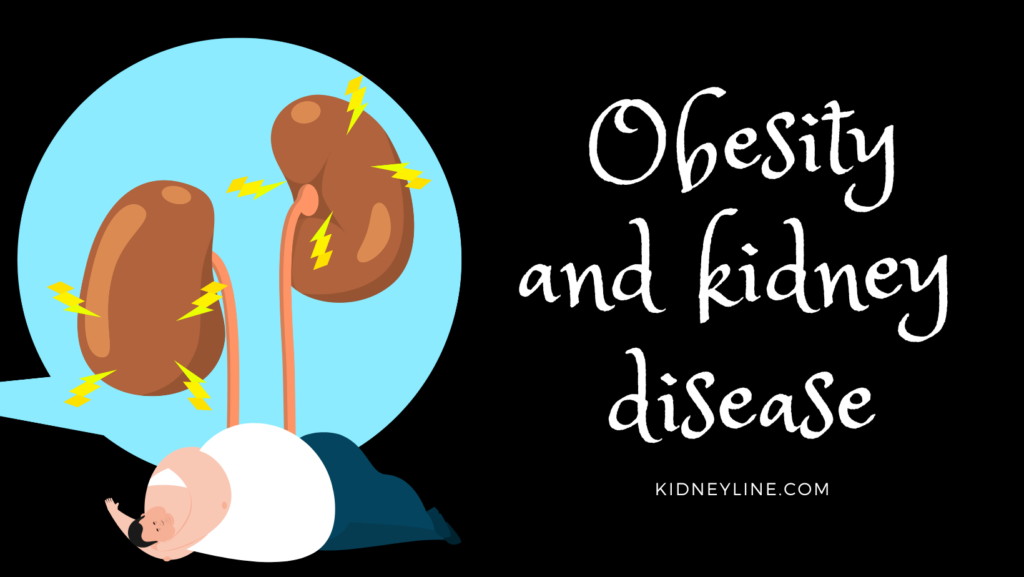
As explained earlier, diseases in either the heart or the kidney can cause the other to malfunction. Beside this, some conditions affect both the heart and the kidneys. For example, diabetes, high blood pressure and obesity can affect the kidneys and the heart. Diabetes can damage blood vessels throughout the body, including those in the kidneys and the heart. High blood pressure can weaken and narrow blood vessels, reducing blood flow to both organs, while obesity increases the risk of inflammation, insulin resistance, and cardiovascular strain.
Certain genetic diseases can also lead to both kidney and heart disease. Conditions such as sickle cell disease and polycystic kidney disease may cause long-term damage to blood vessels or organ structure, leading to reduced kidney function and heart complications over time. Because these conditions are inherited, symptoms may appear earlier in life and progress gradually.
Similarly, lifestyles like a sedentary life and smoking increases the risk of kidney and heart diseases. by promoting high blood pressure, diabetes, and blood vessel damage. These risk factors often act together, further increasing the likelihood that both organs will be affected.
Complications of kidney and heart disease
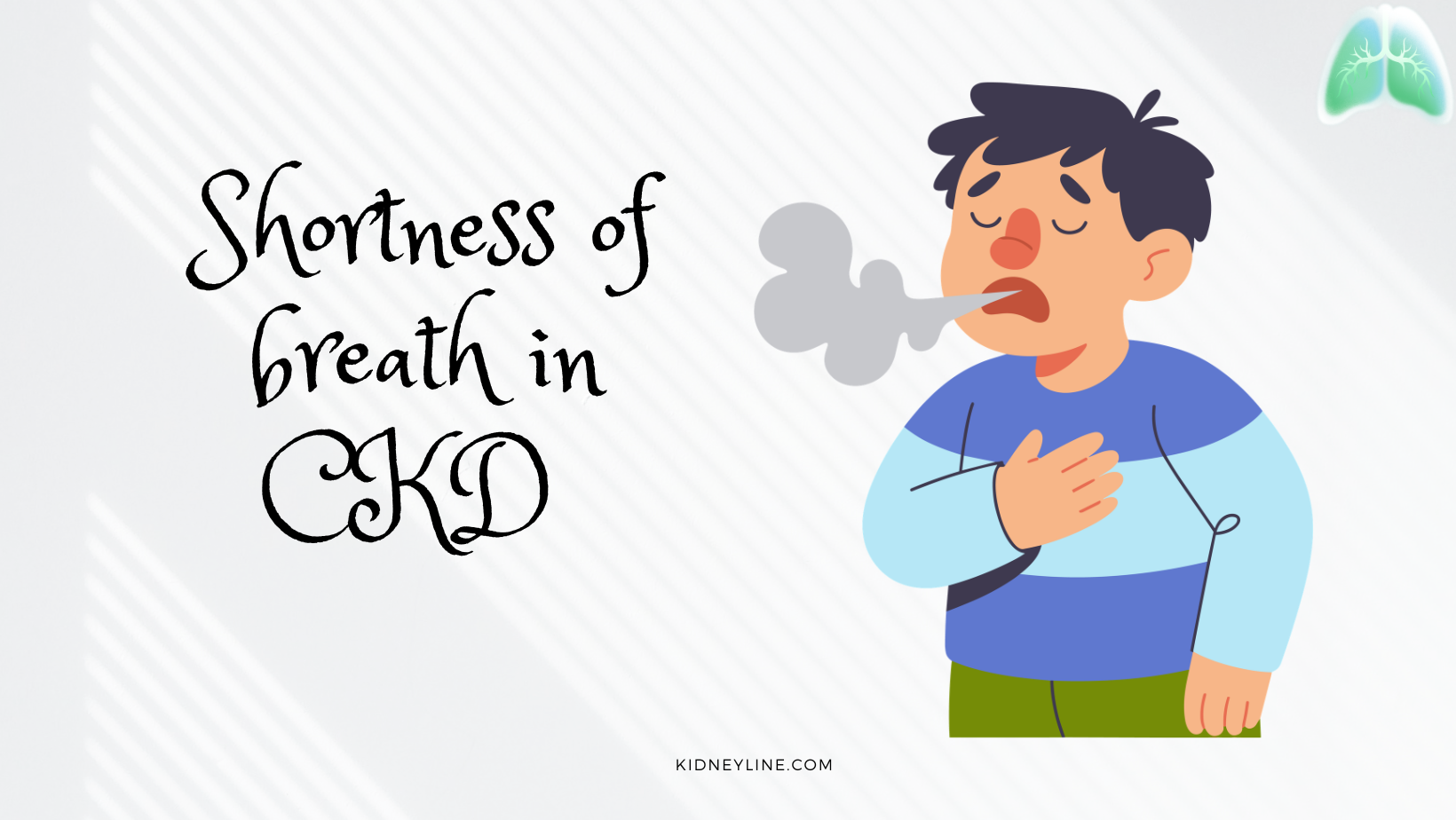
Both kidney and heart disease can cause the body to retain fluid. This often leads to swelling of the feet, ankles, legs, hands, or face. When excess fluid builds up in the lungs, it can cause shortness of breath, coughing, or a feeling of tightness in the chest, especially when lying flat. This can make simple daily activities and sleep difficult.
Both conditions commonly cause tiredness and poor exercise tolerance. You may feel exhausted even after minimal activity and find it harder to walk, climb stairs, or carry out tasks you once managed easily. This fatigue may be due to poor circulation, fluid overload, or anemia, which is common in kidney disease.
A reduced appetite is also common. You may feel full after eating only a small amount of food. With kidney disease, nausea and vomiting can occur, particularly in the early mornings or when brushing your teeth, due to the buildup of waste products in the blood. Changes in taste or a metallic taste in the mouth may also be noticed.
People with kidney disease often experience sleep problems. These may include difficulty falling or staying asleep, restless sleep, or frequent waking during the night. As kidney disease advances, some people may become drowsy and excessively sleepy during the day. In severe stages, confusion, poor concentration, and memory problems can develop as toxins accumulate in the body.
Other complications may include muscle cramps, itching of the skin, headaches, and dizziness. Irregular heartbeats can occur due to changes in fluid and electrolyte levels, particularly potassium. In advanced disease, seizures may occur and are a sign of severe illness that requires urgent medical attention.
Treatment
The treatment of kidney and heart disease often requires care from more than one specialist. Many patients benefit from being managed by both a cardiologist, who treats heart conditions, and a nephrologist, who treats kidney disease. Because the heart and kidneys affect each other closely, treatment decisions for one organ must always take the other into account. Good communication between healthcare providers helps ensure safe care.
A key part of treatment is controlling risk factors that can worsen both kidney and heart disease. High blood pressure must be carefully monitored and treated, as it places strain on both organs. Diabetes control is equally important, since high blood sugar can damage blood vessels in the heart and kidneys over time. Lifestyle changes such as stopping smoking, limiting alcohol intake, reducing salt in the diet, maintaining a healthy weight, and engaging in regular physical activity can greatly slow disease progression and improve overall health.
Medications are often needed to control symptoms and protect organ function, but some drugs can be harmful to the kidneys or the heart. Patients are usually advised to avoid non-steroidal anti-inflammatory drugs (NSAIDs) pain relievers, as these can worsen kidney function and cause fluid retention. Some antibiotics and contrast dyes used in imaging tests may also be harmful and should only be used when necessary, under medical supervision. Herbal and traditional medications should be avoided unless approved by a healthcare provider, as many contain substances that can damage the kidneys or interfere with heart medications.
Regular follow-up is an essential part of treatment. Ongoing clinic visits allow doctors to monitor kidney function, heart health, blood pressure, and blood test results, and to adjust treatment as needed. Symptoms may change over time, and early detection of problems can prevent serious complications. Patients are encouraged to attend all appointments, take medications as prescribed, and report new or worsening symptoms promptly.